Financial Goals Worksheet: A Designer's Blueprint for Project Success
Every successful creative project begins with a clear plan, whether you're designing a new logo or mapping out a complex branding system. A Financial Goals Worksheet offers that same structured clarity for your project's budget and resource allocation, transforming abstract objectives into actionable, trackable steps. For designers and creative professionals, this tool is more than a spreadsheet; it's a strategic framework that ensures your visual work aligns with tangible business outcomes, much like a well-crafted design brief guides aesthetic decisions.
Why Financial Planning is Core to Visual Design
In the realm of graphic design and brand identity, creativity thrives within constraints. A financial worksheet provides those essential parameters, helping you define project scopes, allocate budgets for assets like stock photography or specialized typography, and set realistic timelines. This discipline prevents scope creep, ensures client expectations are managed, and ultimately safeguards the quality of your creative projects. It turns financial oversight from an administrative task into a component of your design workflow, fostering professional presentation and sustainable practice.
Practical Applications Across Creative Fields
Integrating a structured financial plan elevates work across all visual disciplines:
- Branding & Logo Design: Budget for research, multiple concept explorations, and final asset delivery packages.
- Marketing Materials: Plan costs for print runs, premium paper stocks, or high-end finishes that enhance tactile experience.
- Social Media Graphics: Allocate funds for sponsored posts, video production, or licensed creative assets to boost campaign reach.
- Website & UI Design: Track expenses for user testing, prototyping tools, or developer collaboration to ensure a seamless UX design.
- Packaging Design: Account for die-cut templates, material sampling, and compliance printing to achieve standout shelf presence.
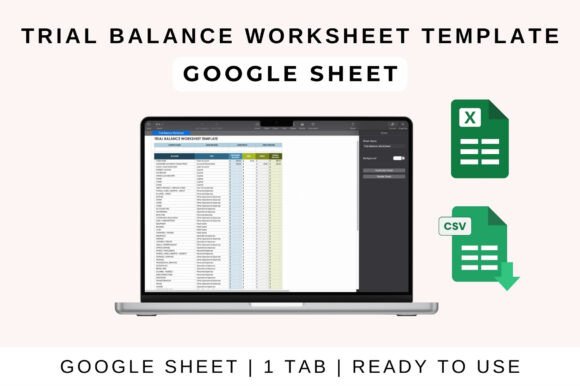
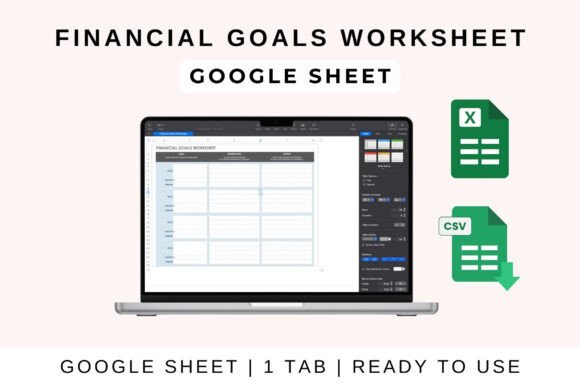
Using the worksheet in Google Sheets or Excel is straightforward. You begin by outlining each goal—perhaps "Finalize Q4 Campaign Visuals" or "Develop New Brand Style Guide." Then, specify the target amount needed, set a deadline, and use the auto-calculated fields to track savings or payments as the project progresses. This visual tracking, akin to monitoring a project's visual hierarchy, keeps everyone aligned and focused on the final deliverable.
Aligning Aesthetics with Strategy
The true power of this tool lies in its ability to connect visual design choices with financial reality. It encourages you to ask critical questions early: Does our color palette require specific (and costly) Pantone inks for print? Can we achieve the desired modern aesthetics within the allocated digital advertising budget? By answering these, you make intentional decisions that balance creative ambition with practical execution, strengthening the overall brand identity and ensuring every visual element serves a purpose.
Ultimately, a disciplined approach to financial planning empowers more innovative and impactful design. It removes uncertainty, allowing you to focus on crafting compelling visual communication that resonates with audiences. When your resources are clearly mapped, you gain the freedom to explore bolder design trends, invest in higher-quality creative assets, and deliver work that not only looks exceptional but also achieves its strategic goals. Thoughtful planning is the invisible framework that supports outstanding creative work.