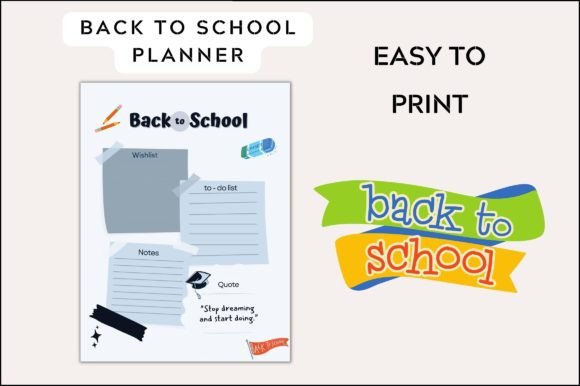
Back to School Planner: A Designer's Guide to Visual Organization
Streamlining the back-to-school transition requires more than just a checklist; it demands a clear visual system that reduces cognitive load and enhances productivity. For graphic designers and creative professionals, a well-structured Back to School Planner serves as a foundational tool for managing complex schedules while maintaining aesthetic consistency. This resource is not merely a calendar; it is a strategic asset designed to align daily tasks with broader creative goals, ensuring that both personal and professional projects move forward with purpose.
The Role of Visual Hierarchy in Planning
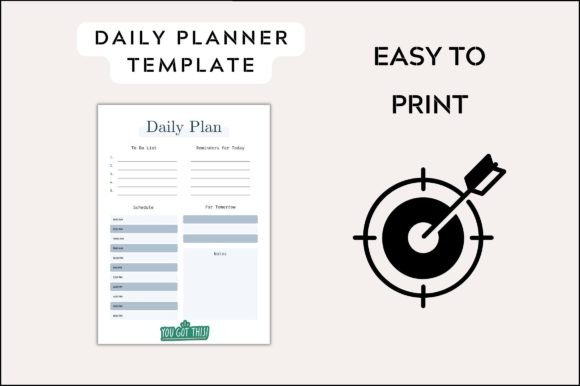
Effective planning relies heavily on visual hierarchy—a core principle of graphic design. A premium printable template utilizes typography, spacing, and color to guide the eye naturally from high-priority items to routine tasks. When selecting a Back to School Planner, consider how the layout supports readability. Does the typeface balance legibility with style? Are the margins and grid systems flexible enough to accommodate varying amounts of text without becoming cluttered? The goal is to create a document that functions as a functional piece of editorial design, where information is organized logically and presented with clarity.
Practical Applications Beyond the Classroom
While designed for the academic season, the utility of this template extends far into professional creative workflows. Its structured format is ideal for:
- Project Management: Track milestones for branding projects, web design launches, or marketing campaigns.
- Content Calendars: Plan social media graphics, blog posts, and digital marketing schedules with visual consistency.
- Client Presentations: Use the planner as a supplementary handout to outline project timelines and deliverables.
- Design Inspiration: Analyze the template's color palette and composition as a case study in modern aesthetics.
By adapting this resource, professionals can maintain a cohesive brand identity across all internal and external communications, turning a simple schedule into a component of their overall visual language.
Integrating Color and Composition
The included color variants offer more than visual appeal; they provide an opportunity to implement color psychology. Assigning specific hues to categories—such as creative work, administrative tasks, or meetings—can accelerate recognition and improve user experience (UX). When printing, ensure your printer settings are calibrated to accurately reproduce the chosen palette, as color fidelity is crucial for maintaining the intended design impact. The A4 document standard ensures compatibility with most home and office printers, making the transition from digital file to physical asset seamless.
Tips for Customization and Workflow
To maximize the value of this digital download, consider these professional tips:
- Brand Alignment: If using the planner in a business context, verify that the template's aesthetic aligns with your existing brand guidelines or logo design.
- Scalability: While designed for A4, test the PDF on different paper sizes if necessary, checking that the visual elements remain balanced.
- Functional Minimalism: Avoid over-customizing the template with excessive stickers or graphics that might compromise its primary function as an organizational tool.
Ultimately, the strength of a Back to School Planner lies in its ability to marry form with function. By choosing a thoughtfully designed template, you invest in a workflow solution that supports clear communication, enhances time management, and reflects a professional commitment to quality in every aspect of your creative projects.