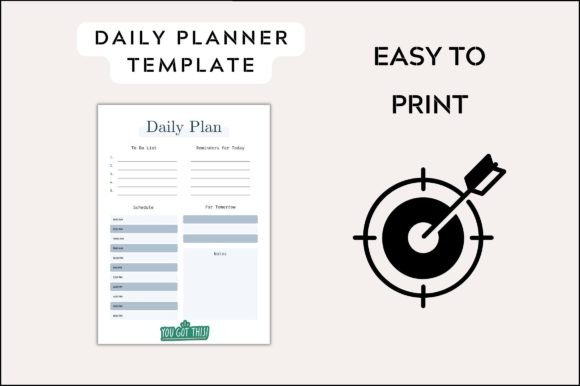
Daily Planner Tracker: A Designer's Guide to Visual Organization
In the fast-paced world of creative work, where deadlines overlap and inspiration must be captured instantly, a well-designed Daily Planner Tracker is more than an organizational tool—it's a foundational element of a productive design workflow. For graphic designers, marketers, and creators, integrating a structured yet visually appealing system like a Daily Planner Printable template Checklist PDF into your routine can transform chaotic schedules into clear, actionable visual narratives.
The Visual Design Principles Behind Effective Planning
A thoughtfully crafted planner template isn't just about listing tasks; it's an exercise in applied graphic design. The layout employs visual hierarchy to guide the eye from priority tasks to secondary items, using typography, spacing, and subtle color cues. This mirrors the principles used in creating professional presentations, editorial layouts, or even website UI design, where clarity and user experience are paramount. The right template acts as a daily creative asset, reinforcing a mindset of intentional design in every action.
Key Elements That Enhance Functionality and Aesthetics
- Typography & Readability: Clear, sans-serif fonts ensure quick scanning, a principle borrowed from web design and UI best practices. Consistent type sizing creates a clean visual rhythm.
- Color Palette & Branding: A template offering multiple color variants allows for personalization or alignment with a personal or client brand identity. A cohesive color scheme enhances visual appeal and can even reduce cognitive load.
- Scalable Layouts: Designed on an A4 document standard, these printables are optimized for both physical printing and digital use on tablets, ensuring your planning system is versatile across media.
- Modular Composition: The checklist format provides a flexible structure, similar to component-based design systems used in modern web design, allowing for easy customization and adaptation to different project needs.
Practical Applications for Creative Professionals
Beyond personal task management, a high-quality Daily Planner Tracker template can be a strategic asset in various professional contexts:
- Client Project Management: Use it to map out timelines for branding projects, logo design deliverables, or packaging design revisions, providing a clear visual schedule for stakeholders.
- Marketing Campaign Coordination: Plan social media graphics content calendars, advertising campaign rollouts, or editorial design deadlines with a clear, at-a-glance view.
- Creative Process Documentation: Track research, inspiration gathering, and iterative design steps for complex projects, turning your planner into a portfolio of your design thinking.
- Brand Identity Maintenance: Schedule regular tasks for updating brand assets, monitoring design trends, or creating new marketing materials to keep a brand's visual presence fresh and consistent.
Tips for Selecting and Customizing Your Template
When choosing a printable daily planner, evaluate it as you would any creative asset. Consider its compatibility with your existing design workflow and brand systems. The best templates offer enough structure to save time but enough flexibility to adapt. Use the customizable fields to integrate your own branding elements—like a custom logo or specific brand colors—to create a cohesive professional presentation, even in your planning tools. This practice reinforces brand identity across all touchpoints, including internal communications.
Ultimately, the decision to use a structured daily planner is a commitment to professional clarity. It reflects an understanding that great design, whether in a final product or a personal tool, is about creating order from complexity, enhancing communication, and making every interaction more efficient and visually coherent. Investing in quality creative assets for your own workflow is the first step toward elevating the quality of the work you create for others.