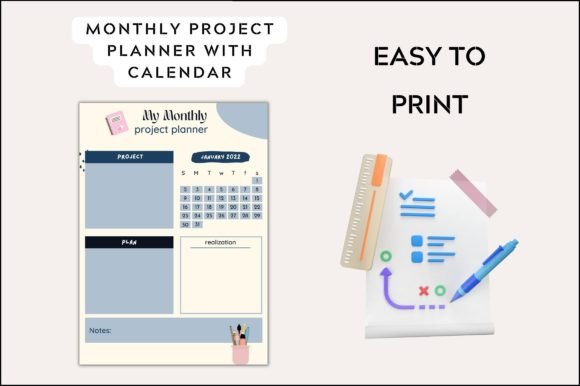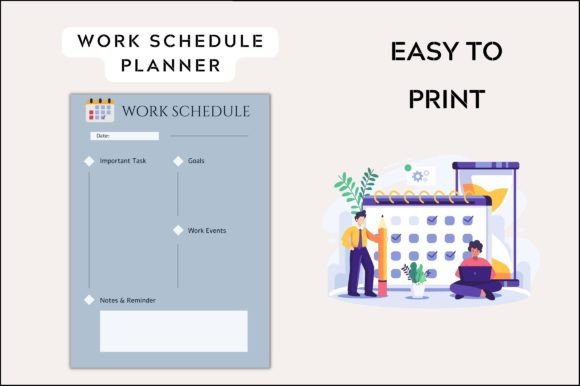
Work Schedule Planner Template: A Designer's Guide to Efficient Project Management
As a creative professional, your calendar is your canvas, and every project deadline is a brushstroke in your career's masterpiece. Managing complex client work, internal initiatives, and personal development requires more than a simple to-do list; it demands a structured, visual system. This is where a thoughtfully designed Work Schedule Planner Template becomes an indispensable creative asset, transforming chaotic workflows into clear, actionable plans.
A premium template isn't just a grid of dates. From a graphic design perspective, it's a tool for visual communication and brand consistency. It establishes a clear visual hierarchy, using typography, color palettes, and spatial organization to guide your eye and prioritize tasks. For a design studio, marketing team, or freelance creative, implementing a consistent planner system across the team reinforces brand identity—even in internal communications—and improves overall project management efficiency.
Practical Applications for Creative Professionals
The utility of a well-crafted schedule planner extends far beyond basic task listing. It integrates seamlessly into various facets of the design and business workflow, enhancing clarity and professionalism.
- Project & Branding Management: Track the phases of logo design, brand identity development, or packaging design projects. Visualize timelines for deliverables, client feedback rounds, and final production, ensuring every stakeholder is aligned.
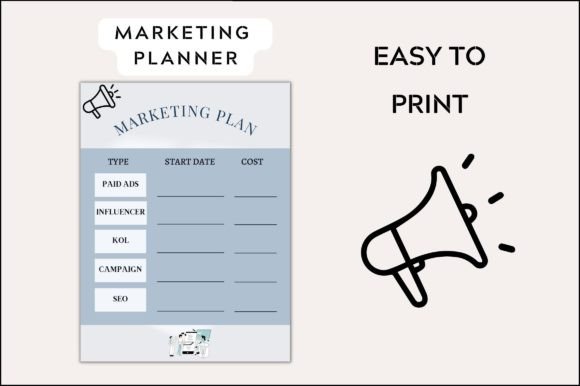
- Marketing & Social Media: Plan editorial calendars, social media graphics, and advertising campaigns. A template helps you maintain a consistent posting schedule and visual style across platforms, which is crucial for digital marketing success.
- Client Presentations & Reporting: Use a clean, printable version to present project timelines to clients. A professional, branded PDF schedule enhances your presentation design and demonstrates meticulous planning.
- Team Coordination & UX: For web design and UI/UX teams, a shared schedule is fundamental to the design workflow. It coordinates sprints, reviews, and development handoffs, mirroring the user-centric approach in the tools you use.
Selecting and Customizing Your Template
When choosing a Premium Work Schedule Planner Template, evaluate it as you would any other design element. Consider its typography—is it readable at a glance? Assess the color palette—does it offer variants that suit different project types or client brands without causing visual fatigue? Look for scalability; a good template in A4 PDF format should print crisply and also be adaptable for digital use.
The real value lies in customization. A template built with a strong visual foundation allows you to quickly adapt it to your existing brand systems. You might:
- Apply your brand's primary color to key headers for instant recognition.
- Swap the default font with your brand's typeface to maintain typographic consistency.
- Use the template's grid structure to practice and apply principles of visual hierarchy in your own planning.
This process isn't just administrative; it's an exercise in applying design thinking to your own operations, resulting in a more polished and professional presentation of your work to yourself and your team.
Integrating Planning into Your Creative Process
Ultimately, the goal of a work schedule planner is to free up mental space for creativity. By externalizing the complex web of deadlines, meetings, and milestones into a reliable system, you reduce cognitive load. This allows you to focus more deeply on the creative tasks that require your full attention—whether that's crafting a compelling marketing message, refining a user interface, or developing a stunning editorial layout.
Investing in a high-quality, printable schedule planner is an investment in your creative infrastructure. It supports better communication, strengthens brand consistency, and brings a level of professional organization that clients and collaborators notice. In the fast-paced world of design and digital marketing, a clear plan is the first step toward executing exceptional work. Let your planning tool be as thoughtfully designed as the projects it helps you deliver.