Streamline Your Financial Visuals with a Trial Balance Worksheet Template
In the world of design, clarity is king. Just as a meticulously crafted brand identity system ensures visual consistency, a robust financial workflow ensures business health. Enter the Trial Balance Worksheet Template, an essential creative asset for designers, agencies, and business owners who need to align their ledger entries with precision. This tool is not just about numbers; it's about creating a clear, organized visual framework that supports your entire operation, freeing up mental space for the creative work that truly matters.
Why Financial Clarity is a Design Superpower
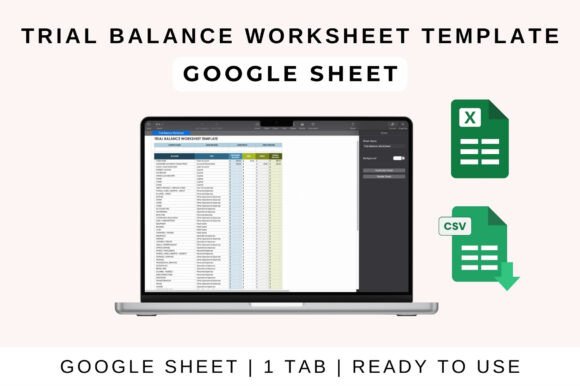
For a graphic designer or creative professional, managing finances can feel like a distraction from the core mission. However, disorganized books lead to stress, inaccurate project costing, and compromised creative decisions. A well-structured trial balance worksheet, with its pre-formatted sections for accounts, debits, and credits, provides a professional presentation of your financial data. This visual hierarchy mirrors the principles you apply in your own work—making complex information easily scannable and understandable. When your finances are in order, you can pitch clients with confidence, price your services accurately, and invest back into your creative projects with a clear strategy.
Practical Applications Across Creative Fields
The utility of a streamlined financial template extends into every facet of your design business and projects:
- Branding & Logo Design Projects: Track income from client projects against expenses for software, stock assets, or subcontractors. This clarity helps you understand the true profitability of building a brand identity.
- Marketing & Social Media Campaigns: Manage budgets for social media graphics, digital marketing ads, and content production. A clear balance sheet helps you allocate funds effectively for maximum visual impact.
- Web & UI/UX Design: Account for costs associated with web design tools, user testing, or hosting services, ensuring your UI design and UX design projects stay profitable.
- Packaging & Print Design: Meticulously track expenses for prototypes, specialty color palette printing, and materials. This precision is crucial for packaging design and print design where costs can vary widely.
- Creative Asset Management: Whether you're selling typography bundles, design inspiration packs, or digital products, a trial balance helps you manage revenue streams and production costs for your creative assets.
Choosing and Using Your Template Effectively
Selecting the right template is about finding a modern aesthetic that complements your design workflow. Look for these key features to ensure it enhances, rather than hinders, your process:
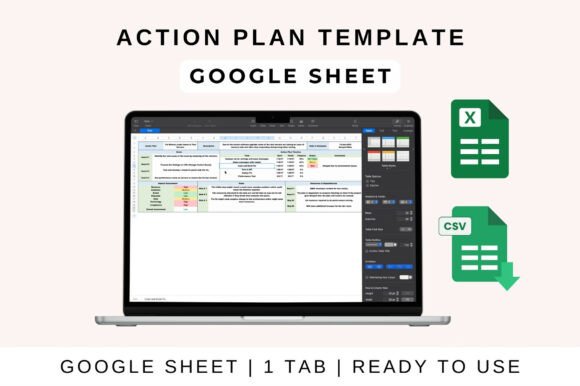
- Intuitive Layout & Auto-Summing: The best templates, like those compatible with Google Sheets and Excel, feature auto-summing formulas. This provides real-time balance checks, acting as a dynamic visual design element that updates automatically, saving you hours of manual calculation.
- Editability & Scalability: Your template should be fully editable to match your specific chart of accounts. Whether you're a freelance designer or a growing agency, the structure must scale with your business, much like a responsive logo design.
- Compatibility & Accessibility: Ensure the template works across your preferred platforms—Google Sheets for collaboration, Excel for advanced functions, or Apple Numbers for seamless integration. This usability is non-negotiable for a smooth design workflow.
When using the template, approach it with the same intentionality you bring to a composition or typography choice. Enter data consistently, review your debits and credits monthly, and use the clear totals to inform your creative and business strategies. This practice builds a reliable foundation, allowing you to focus on innovation in editorial design, advertising campaigns, or your next creative project.
Ultimately, integrating a structured financial tool like a trial balance worksheet is an act of professional discipline. It reinforces the consistency, readability, and professionalism