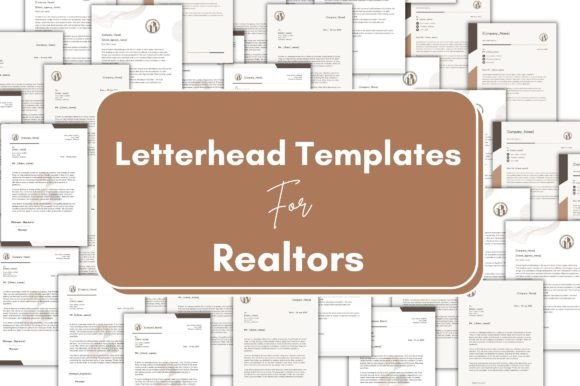
Real Estate Letterhead: Designing Trust in Every Detail
In the competitive world of real estate, every touchpoint with a client is an opportunity to reinforce professionalism and build trust. A meticulously designed Real Estate Letterhead is far more than just stationery; it's a fundamental component of your brand identity, a silent ambassador that communicates credibility before a single word of your proposal is read. For graphic designers and real estate professionals alike, understanding how to leverage this tool is key to effective visual communication.
The Role of Letterhead in Modern Branding
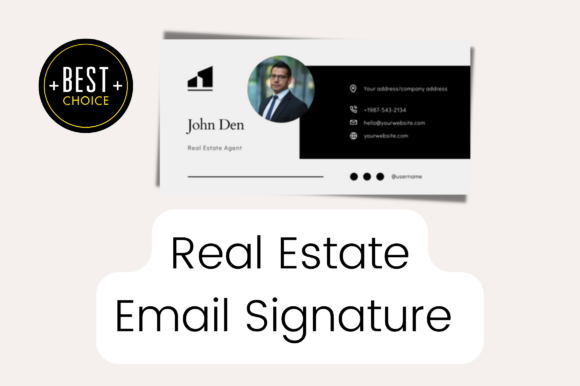
A cohesive brand identity is built on consistency across all materials. Your letterhead, logo, color palette, and typography work in concert to create a recognizable and professional image. When a client receives correspondence on a well-crafted letterhead, it signals stability, attention to detail, and a commitment to quality—all crucial traits in the real estate industry. This consistency extends to your digital presence, creating a seamless experience from email signatures to social media graphics.
Practical Applications Beyond Paper
The utility of a strong letterhead template extends into numerous creative projects and marketing channels. Consider these applications:
- Marketing Materials: Use the header and footer designs from your letterhead to style brochures, flyers, and listing presentations, ensuring brand cohesion.
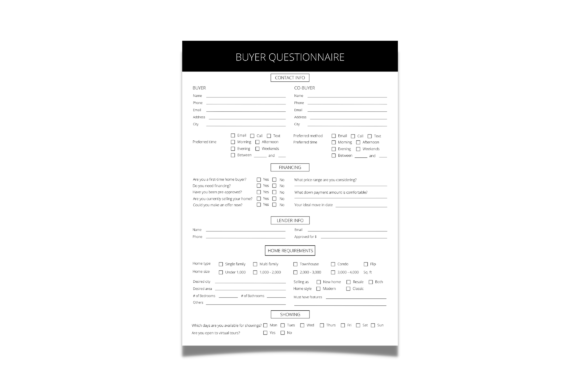
- Digital Documents: Apply the template to PDF contracts, buyer guides, and market reports for a polished, unified digital portfolio.
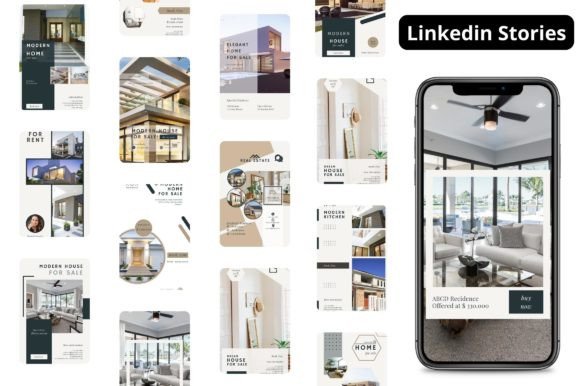
- Social Media & Web Design: Extract visual elements—like specific typography pairings or accent colors—to create harmonious social media posts and website UI elements.
- Packaging & Merchandise: The design language can inform the look of closing gift boxes, "Just Sold" postcards, or branded merchandise, reinforcing your visual identity.
Crafting an Effective Letterhead: Key Design Considerations
When selecting or creating a letterhead template, focus on elements that enhance both aesthetics and functionality. A modern, professional layout should prioritize clarity and visual hierarchy.
- Typography & Readability: Choose fonts that reflect your brand's personality—whether modern, classic, or approachable—while ensuring body text remains highly legible. A clean sans-serif for contact information paired with a distinctive serif for your company name can create a balanced hierarchy.
- Color Palette & Imagery: Your primary brand colors should be used strategically, often in headers, footers, or as subtle accents. Ensure high contrast for text against any background. While high-quality imagery can elevate the design, it should complement, not clutter, the essential information.
- Composition & White Space: Effective use of white space is critical. It guides the eye, prevents a crowded appearance, and allows the content to breathe, making the document easier to read and more visually appealing.
For real estate agents seeking to build their brand efficiently, starting with a robust, editable template bundle is a strategic move. A resource that offers multiple style variations within a consistent framework allows for flexibility while maintaining brand integrity across different communications—from formal offers to friendly client updates.
Ultimately, the goal of any design asset, including a letterhead, is to facilitate communication and create a positive user experience. By investing time in thoughtful design choices and utilizing high-quality creative assets, you ensure that every piece of correspondence not only delivers information but also reinforces the professional, trustworthy image that is the cornerstone of success in real estate. This attention to visual detail is what transforms ordinary documents into powerful tools for brand building and client engagement.